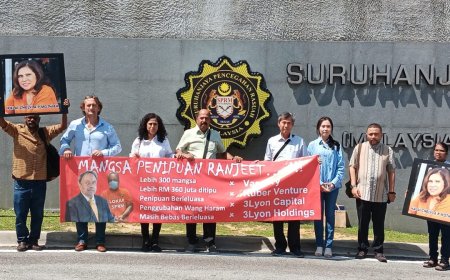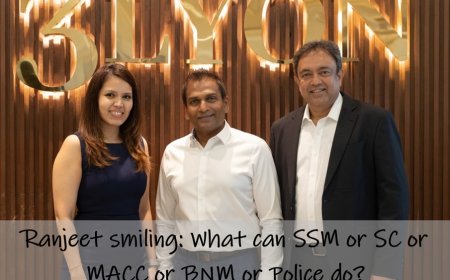





Fraud Involving LHDN: Datuk Wira Ranjeet Singh Sidhu’s Ponzi-Style Investment Schemes and Use of LHDN report threats Against Victims/Investors
Explore how Datuk Wira Ranjeet Singh Sidhu allegedly orchestrated Ponzi-style investment schemes through entities like Vascory and 3Lyon, promising tax-exempt returns while leveraging purported LHDN connections to mislead and threaten victims. Detailed case study of a RM8.4 million fraud, patterns of deception, and limited recovery prospects, based on victim reports documented by Maper UK.
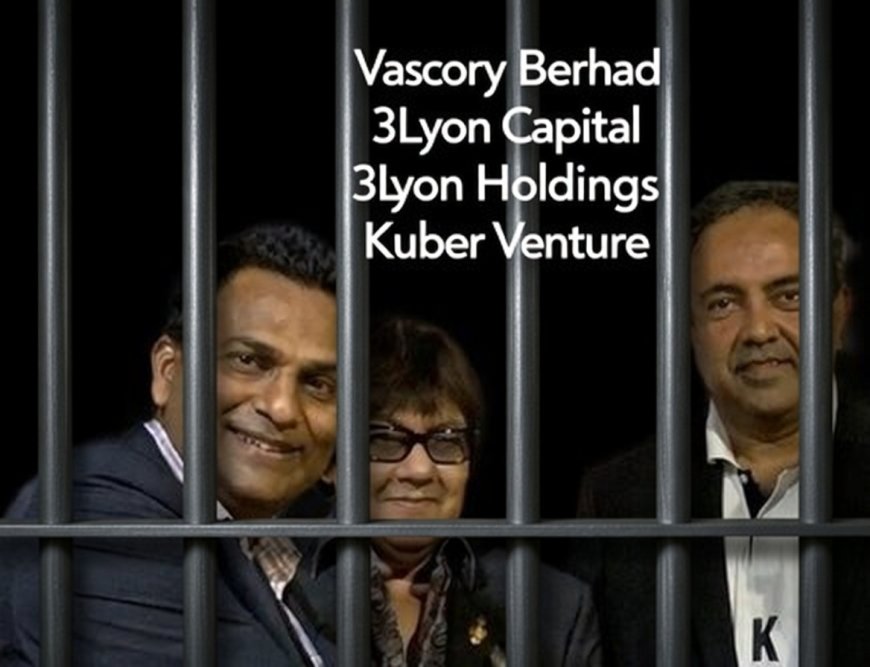
Victims of these schemes are primarily Malaysian middle-income individuals and business owners, drawn in by offers of high, tax-exempt returns. According to accounts shared with Maper UK (www.maper.uk), Ranjeet’s agents collected sensitive personal and financial information—such as names and bank balances—through intermediaries, including certain bank officers. While most of these officers were not directly involved in the schemes, they were connected to Ranjeet’s key associates, including agents such as Meena and Kalai.
One documented case involves a businessman (referred to here as Mr. A), who was approached in 2019. An unsolicited call from one of Ranjeet’s agents led to an initial meeting at a hotel in Petaling Jaya. Subsequent meetings included introductions to Ranjeet personally and, later, to Datuk Manibalan Kutty at a golf club known as Templer Park Club Club in Rawang. Mr. A, a trader in construction machinery with both domestic and international income, disclosed details of his earnings and savings during these discussions.
Ranjeet advised Mr. A against declaring this income to the Inland Revenue Board (LHDN), recommending instead an investment in purportedly tax-exempt structures operated through Vascory and 3Lyon entities. He asserted that these vehicles were fully exempt from Malaysian taxation, removing any obligation to report to LHDN. To support the proposal, the agent provided lists of supposed high-profile investors, including government-linked entities.
Initially cautious, Mr. A was presented with supporting documentation, including records indicating a 30% stake held by Tan Sri Syed Yusof in Vascory, 3Lyon, and Kuber; confirmation of former Accountant General and ex-LHDN CEO Dato’ Haji Che Pee bin Samsudin as a shareholder and executive director in related companies; and claims that the then-director of LHDN, Tan Sri Rashpal Singh, served as group adviser. A certificate purporting to offer 100% insurance coverage for investments was also shown. Relying on these credentials, Mr. A proceeded with the investment.
Funds were directed partly to 3Lyon and partly to Vascory. Mr. A signed subscription agreements for Vascory Limited (Seychelles), although deposits were made into the Malaysian account of Vascory Berhad. He was promised annual returns of 10%, with capital described as fully insured.
For the first year, dividends were paid consistently—approximately RM70,000 per month, totaling RM840,000—via bank transfers or cash deliveries by agents. Payments stopped during the COVID-19 pandemic. Ranjeet attributed the suspension to economic conditions and maintained that the capital remained protected under the insurance arrangement.
After lockdowns eased, requests for resumption of dividends or return of principal were repeatedly delayed. In late 2023, media reports by Maper Malaysia highlighted the fraudulent nature of the operations. When Mr. A pressed for resolution, Ranjeet threatened to report him to LHDN for non-declaration of the investments and associated income, alleging tax evasion. He proposed continued silence in exchange for additional time to repay, while warning that further demands could lead to formal complaints to LHDN and the police to protect the company and other investors. Ranjeet referenced ongoing connections within LHDN, described investors as overly expectant, and framed any losses as normal investment risks.
Mr. A, now a retired individual over 70 years old with a history of tax compliance, had relied on the presented high-profile affiliations, investor lists, and documentary assurances when agreeing not to declare the funds. He invested a total of RM8.4 million. After receiving RM840,000 in dividends, no further payments were made, resulting in principal losses and foregone returns exceeding RM10 million.
Subsequent inquiries by Mr. A showed that Ranjeet’s companies had not filed audited accounts after 31 December 2021. The entities conducted minimal legitimate operations and instead allocated substantial remuneration and fees to Ranjeet, directors, and agents. Remaining funds were transferred through intermediary entities and withdrawn. The companies held few, if any, tangible assets. Ranjeet deliberately avoided attending civil court proceedings brought by investors, resulting in the winding-up of most entities and the effective discharge of repayment obligations.
Mr. A traced his initial contact to information obtained through an Alliance Bank officer, although the bank has not acknowledged any involvement. Communication with Ranjeet and his agents has since ceased. Recent checks confirm that the Vascory and 3Lyon entities have been wound up or declared bankrupt, leaving little prospect of recovery.
This case reflects recurring patterns reported on www.maper.uk: unsolicited approaches, emphasis on tax-exempt structures using offshore entities (e.g., Seychelles), presentation of fabricated or exaggerated credentials involving prominent individuals, initial dividend payments to establish credibility, subsequent cessation of payments, extraction of funds through high director fees and transfers, non-participation in court proceedings leading to liquidations, and threats of LHDN reporting to deter complaints.